
Comprehensive Site Preparation for All Types of Construction

Preparing a site for construction is a crucial first step that sets the stage for a successful project. Whether it's a small residential build or a large commercial development, proper site preparation ensures that the land is ready for construction activities. This guide will walk you through the essential steps involved in site preparation, from creating a detailed site plan to considering environmental impacts.
Key Takeaways
Creating a detailed site plan is essential for understanding site conditions and ensuring compliance with local regulations.
Budgeting and scheduling are critical for managing material and labor costs and securing financial resources.
Clearing and preparing the land involves removing vegetation, demolishing existing structures, and implementing erosion control measures.
Excavation and dirt management require choosing the right techniques and properly handling dirt disposal and reuse.
Quality control and inspections throughout the project ensure that any issues are addressed promptly and the work meets required standards.
Creating a Detailed Site Plan
Understanding Site Conditions
Before starting any construction, it's crucial to understand the site conditions. This involves examining the topography, soil composition, and any existing underground utilities or structures. Sometimes, figuring out what's below the surface can be tricky, but with the right technology and experience, teams can get a good idea of what lies beneath. Knowing about below-grade obstructions like rocks helps in creating a more accurate budget and schedule.
Involving the Excavation Contractor Early
Involving the excavation contractor early in the planning stage can provide valuable insights. These professionals can help identify potential issues and suggest solutions before they become major problems. Early involvement ensures that the excavation process goes smoothly and efficiently.
Ensuring Compliance with Local Regulations
Ensuring compliance with local regulations is essential for any construction project. This includes obtaining the necessary permits and adhering to zoning laws. A well-prepared site plan will address all regulatory requirements, helping to avoid legal issues and delays. Compliance not only ensures the project's legality but also its safety and sustainability.
Budgeting and Scheduling for Construction Projects
Calculating Material and Labor Costs
Creating a budget is a crucial step in any construction project. Accurate budgeting helps ensure that the project stays on track financially. Start by listing all the materials needed and their costs. Don't forget to include labor costs, which can vary based on the project's complexity and location. It's also wise to set aside a contingency fund for unexpected expenses.
Developing a Project Schedule
A well-planned schedule is essential for timely project completion. Break down the project into smaller tasks and assign deadlines to each. Use a Gantt chart or project management software to visualize the timeline. Regularly update the schedule to reflect any changes or delays.
Securing Financial Resources
Before starting the project, ensure you have the necessary funds. This might involve securing loans or other financial resources. Pre-approval for loans can save time and reduce stress later on. Make sure to keep track of all financial transactions to maintain a clear record.
Clearing and Preparing the Land
Removing Vegetation and Debris
The first step in preparing the land is to remove any vegetation and debris. This includes cutting down trees, clearing bushes, and getting rid of any other plants that might be in the way. The goal is to create a smooth and empty area for the next steps. The waste from this process is usually taken away for composting, recycling, or proper disposal.
Demolition of Existing Structures
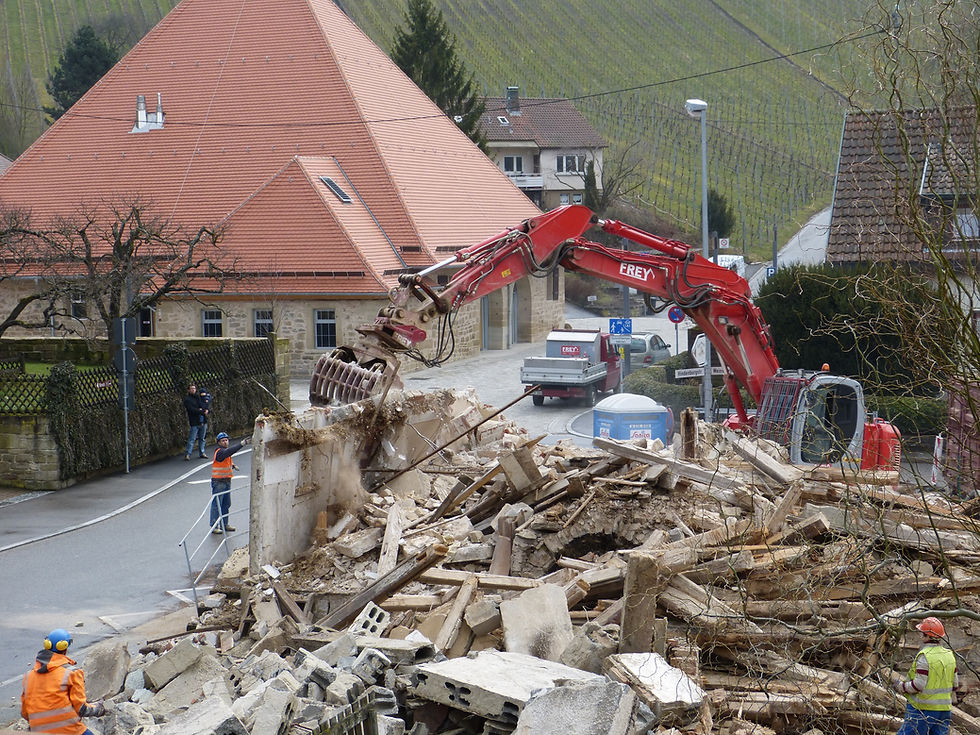
If there are any old buildings or structures on the site, they need to be demolished. This can involve tearing down houses, sheds, or any other constructions that are no longer needed. The debris from these demolitions is also removed from the site to keep the area clean and ready for new construction.
Implementing Erosion Control Measures
After clearing the land, it's important to take steps to control erosion. Removing vegetation can leave the soil loose and vulnerable to being washed away by rain or blown away by wind. Erosion control measures, such as silt fences or erosion control blankets, help keep the soil in place and protect nearby water sources from getting polluted.
Excavation and Dirt Management
Conducting an Initial Site Assessment
Before any digging starts, a thorough initial site assessment is crucial. This step helps identify the type of soil, the presence of underground utilities, and any potential obstacles. Knowing these details ensures that the excavation process goes smoothly and safely.
Choosing the Right Excavation Techniques
Different projects require different excavation techniques. For instance, trenching is often used for laying pipes, while bulk excavation is needed for large-scale projects like building foundations. The choice of technique depends on the project's specific needs and the site's conditions.
Managing Dirt Disposal and Reuse
Once the dirt is excavated, it needs to be managed properly. Options include hauling the dirt away, reusing it for grading, or even selling it if it's of good quality. Proper dirt management is essential for keeping the site clean and ensuring that the project stays on schedule.
Preparing the Base for Construction
Importance of a Solid Foundation
A solid foundation is crucial for any construction project. It ensures the stability and longevity of the structure. Without a well-prepared base, buildings can shift, crack, or even collapse over time. This is why professional excavation services are essential. They have the expertise to assess the soil and determine the best approach for creating a stable foundation.
Materials Used for Base Preparation
Different materials are used to prepare the base, depending on the type of construction and soil conditions. Common materials include:
Gravel: Provides good drainage and stability.
Sand: Often used in combination with gravel for added support.
Crushed Stone: Offers excellent compaction and strength.
Choosing the right material is vital for the success of the project. Professional contractors can help you select the best materials based on your specific needs.
Modern Excavation Technologies
Modern excavation technologies have revolutionized the construction industry. Techniques such as laser-guided excavation and GPS-based systems allow for precision and efficiency. These technologies not only speed up the process but also reduce the margin of error significantly.
Quality Control and Inspections
Ongoing Quality Assessments
Ensuring quality workmanship is an ongoing process throughout the excavation project. Regular inspections and assessments are conducted to verify that the work meets the required standards. This includes checking the grading, compaction, and foundation dimensions. Any issues identified are addressed promptly to maintain the integrity of the project.
Final Inspection Procedures
Before the excavation phase is completed, a thorough final inspection is carried out. This inspection ensures that all aspects of the project align with the design specifications. The final check includes verifying the dimensions of the foundation, the quality of the compaction, and the proper installation of utility trenches. No stone is left unturned to ensure the site is ready for the next phase of construction.
Addressing Issues Promptly
Addressing issues as they arise is crucial for maintaining the project's timeline and quality. A detailed QAQC checklist is used to identify and resolve any problems quickly. This checklist covers over 10 different items to check both before and after excavation work has been completed. By promptly addressing issues, the project can proceed smoothly without unnecessary delays.
Environmental Considerations in Site Preparation
Minimizing Environmental Impact
When preparing a site for construction, it's crucial to minimize environmental impact. This involves careful planning to reduce soil erosion, protect local water sources, and preserve natural habitats. Using eco-friendly materials and methods can significantly lessen the negative effects on the environment.
Implementing Sustainable Practices
Sustainable practices are essential in modern construction. These include recycling materials, using energy-efficient machinery, and reducing waste. By adopting these practices, construction projects can be more environmentally friendly and cost-effective.
Ensuring Regulatory Compliance
Compliance with local, state, and federal regulations is non-negotiable. This includes obtaining necessary permits and conducting regular inspections to ensure all activities meet environmental standards. Proper regulatory compliance helps avoid legal issues and promotes responsible construction practices.
When preparing a site, it's crucial to think about the environment. This means taking steps to protect the land, water, and air around the construction area. Want to learn more about how to do this right? Visit our website for detailed tips and guidance.
Conclusion
In summary, preparing a site for construction is a multi-step process that requires careful planning and execution. From understanding the land and creating a site plan to clearing, grading, and ensuring proper drainage, each step is crucial for a successful build. Licensed contractors bring valuable expertise and experience, helping to foresee and address potential issues early on. Modern technologies and environmentally friendly practices further enhance the efficiency and sustainability of the project. By following these guidelines, you can ensure a stable and safe foundation for any construction endeavor. Remember, a well-prepared site is the cornerstone of a successful construction project.
Frequently Asked Questions
What is the first step in site preparation for construction?
The first step is to understand the site conditions. This includes checking the soil, looking for any underground utilities, and identifying any obstacles that might be in the way.
Why is it important to involve an excavation contractor early in the planning process?
Involving an excavation contractor early can provide valuable insights into the project. They can help identify potential issues and suggest the best methods for excavation, which can save time and money.
How do you ensure compliance with local regulations during site preparation?
To ensure compliance, you need to create a detailed site plan that meets local regulations. This plan should be submitted to the local authorities for approval before starting any work.
What are the key steps in clearing and preparing the land?
The key steps include removing vegetation and debris, demolishing any existing structures, and implementing erosion control measures to prevent soil erosion.
Why is proper dirt management important during excavation?
Proper dirt management is crucial to keep the site clean and organized. It involves disposing of or reusing the excavated dirt in a way that doesn't disrupt the project schedule.
What are some modern technologies used in excavation?
Modern excavation technologies include laser-guided systems and GPS-based equipment. These technologies help in achieving precision and efficiency, reducing the chances of errors.


Comments