
Key Tips for Successful Foundation Excavation in Walker County


Foundation excavation is a critical step in any construction project, especially in Walker County where the unique soil composition and local regulations play a significant role. Proper planning and execution can make the difference between a successful build and costly delays. This article outlines key tips for successful foundation excavation to ensure your project runs smoothly.
Key Takeaways
Conduct a thorough site assessment to understand the landscape and soil conditions.
Perform comprehensive soil testing to identify any potential issues that may affect the excavation process.
Ensure all necessary permits and regulations are in place before commencing any excavation work.
Mark all utility lines to prevent accidental damage during the excavation process.
Use the appropriate excavation equipment and safety gear to ensure the safety and efficiency of the project.
Site Assessment
Surveying and Mapping
Surveying and mapping are critical in evaluating the suitability of a site for construction. This includes determining the topography, soil type, drainage patterns, and other factors that can affect the construction process. By evaluating these factors, architects and engineers can design structures that are both safe and environmentally sustainable.
Accurate Site Planning
Surveying and mapping provide accurate measurements of the land, including its topography, boundaries, and other features that may affect the design and construction of a project. This information is essential for site planning, ensuring that the project is built on a stable foundation and that it meets all zoning and regulatory requirements. Accurate site planning is crucial for ensuring the long-term success of a project and minimizing the risk of future problems or failures.
Construction Layout Services
Construction layout services, also known as construction staking or site layout survey, establish and mark the precise location of proposed structures, utilities, and other infrastructure on a construction site. This crucial step ensures buildings are placed correctly according to design plans and minimizes errors and conflicts, reducing the risk of costly rework later in the construction process.
Soil Testing
Importance of Soil Testing
Soil testing is a crucial step in the foundation excavation process. It helps determine the soil's bearing capacity, composition, and moisture content, which are essential for designing a stable foundation. Without proper soil testing, the risk of foundation failure increases significantly.
Types of Soil Tests
There are several types of soil tests that can be conducted, including:
Standard Penetration Test (SPT): Measures the resistance of soil to penetration.
Cone Penetration Test (CPT): Evaluates the soil's geotechnical properties.
Atterberg Limits Test: Determines the plasticity of the soil.
Moisture Content Test: Measures the amount of water in the soil.
Approved Soil Testing Labs
In Walker County, it is essential to use approved soil testing labs to ensure accurate and reliable results. These labs follow standardized procedures and are often listed by regional soil and water conservation offices.
Interpreting Soil Test Results
Once the soil tests are completed, the results need to be interpreted by a qualified engineer. The data will inform decisions on the type of foundation required, the need for soil treatment, and other critical factors.
Permits and Regulations
Understanding Local Requirements
Before starting any excavation project in Walker County, it's crucial to understand the local requirements. City Council Directives and other local regulations must be adhered to, ensuring that all legal aspects are covered.
Application Process
The application process for permits can be intricate. It involves submitting detailed plans and sometimes attending council meetings. Make sure to have all necessary documents ready to avoid delays.
Compliance and Inspections
Once permits are obtained, compliance with all regulations is mandatory. Regular inspections will be conducted to ensure that the project meets all legal standards. Non-compliance can result in severe penalties.
Utility Marking
Importance of Utility Marking
Utility marking is a critical step in the excavation process. Identifying and mapping the location of underground utilities such as water pipes, gas lines, electrical cables, and telecommunication lines helps prevent accidental damage during construction. This process, known as Subsurface Utility Engineering (SUE), involves various methods like ground-penetrating radar, electromagnetic induction, or vacuum excavation.
Methods of Utility Marking
Ground-Penetrating Radar (GPR): Uses radar pulses to image the subsurface and locate utilities.
Electromagnetic Induction: Detects underground utilities by measuring the electromagnetic fields they produce.
Vacuum Excavation: Uses high-pressure air or water to break up soil and a vacuum to remove the debris, exposing the utilities without damaging them.
Benefits of Proper Utility Marking
Prevents Accidental Damage: Avoids costly repairs and project delays.
Ensures Safety: Protects workers from potential hazards like gas leaks or electrical shocks.
Improves Project Efficiency: Allows for accurate planning and execution of excavation tasks.
Regulatory Compliance
Compliance with local regulations and guidelines is essential. The City Council has directives to improve communication between the city and residents regarding utility marking and construction projects. Ensuring that private utility companies comply with these policies is also crucial for a smooth excavation process.
Excavation Equipment
Earth-Moving Equipment
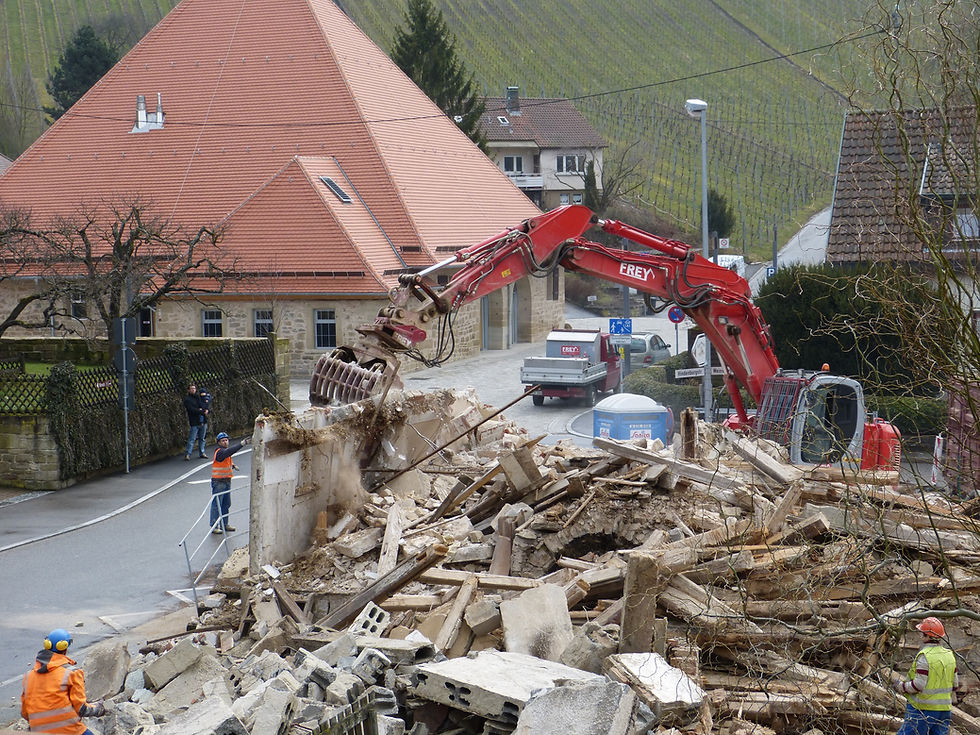
When it comes to foundation excavation, earth-moving equipment such as excavators and diggers, dumpers, and bulldozers are fairly common in most construction processes. These machines are essential for efficiently moving large amounts of soil and debris.
Technological Advancements
For some contractors, technological advancements in heavy construction equipment can be a welcome sight. From enhanced cameras to grade control systems, some contractors want to explore the new machine options and embrace them. No matter which side of the fence you fall on, it’s important to know all your options.
Safety and Efficiency
Construction sites can be hazardous places, with heavy equipment, machinery, and workers constantly operating in close proximity. In this complex environment, any misstep or error can result in severe accidents or injuries. Enhancing safety and efficiency on the jobsite is crucial.
Safety Gear
Ensuring the proper safety gear is essential for any foundation excavation project. Proper safety measures can significantly reduce the risk of accidents and injuries on the job site. Below are the key components of safety gear that every worker should have.
Personal Protective Equipment (PPE)
Personal protective equipment is a must-have for all workers involved in excavation. This includes hard hats, safety goggles, and steel-toed boots. PPE is designed to protect workers from potential hazards and should be worn at all times.
High-Visibility Apparel
High-visibility apparel is crucial for making sure workers are easily seen, especially in low-light conditions. This includes vests, jackets, and pants that are brightly colored and reflective.
Respiratory Protection
Depending on the soil conditions and the presence of dust or other airborne particles, respiratory protection may be necessary. Masks and respirators can help protect workers' lungs from harmful substances.
Hearing Protection
Excavation sites can be noisy, and prolonged exposure to loud noises can lead to hearing loss. Earplugs or earmuffs should be used to protect workers' hearing.
Fall Protection
In areas where there is a risk of falling, such as trenches or elevated platforms, fall protection gear like harnesses and guardrails should be used to prevent accidents.
Weather Considerations
Cold Weather Precautions
Cold weather can pose significant challenges to foundation excavation. Winter conditions can lead to frozen ground, making excavation difficult and potentially damaging equipment. Contractors should ensure that they have the necessary tools and materials to handle these conditions, such as ground heaters and insulated blankets.
Hot Weather Precautions
High temperatures can also impact excavation projects. The urban heat island effect can exacerbate heat conditions, especially in heavily built-up areas. Workers should stay hydrated, take frequent breaks, and use sun protection to avoid heat-related illnesses.
Rain and Flooding
Rain can cause delays and complications in excavation projects. Proper drainage planning is essential to prevent water accumulation in the excavation site. Contractors should monitor weather forecasts and have contingency plans in place for heavy rainfall.
Wind Considerations
Strong winds can pose safety risks and disrupt excavation activities. It's important to secure loose materials and equipment to prevent accidents. Monitoring wind forecasts can help in planning and mitigating these risks.
Drainage Planning
Importance of Drainage Planning
Proper drainage planning is crucial to prevent water accumulation around the foundation, which can lead to structural damage. Effective drainage systems ensure that water is directed away from the foundation, protecting the integrity of the structure.
Steps in Drainage Planning
Site Assessment: Evaluate the topography and soil conditions to determine the natural flow of water.
Designing the System: Create a detailed plan that includes the placement of drains, gutters, and downspouts.
Stormwater Permit Application: Ensure compliance with local regulations by submitting a stormwater permit application packet, which may include existing and proposed drainage easements.
Installation: Implement the drainage system according to the design plan.
Inspection and Maintenance: Regularly inspect and maintain the drainage system to ensure its effectiveness.
Common Drainage Solutions
French Drains: These are trenches filled with gravel and a perforated pipe that redirects surface water and groundwater away from the foundation.
Swales: Shallow ditches that channel water away from the foundation.
Sump Pumps: Pumps installed in basements or crawl spaces to remove accumulated water.
Erosion Control
Importance of Erosion Control
Erosion control is crucial in foundation excavation to prevent soil displacement and maintain site stability. Proper erosion control measures can significantly reduce the risk of structural damage and environmental impact.
Techniques for Erosion Control
Several techniques can be employed to manage erosion effectively:
Silt Fences: These barriers help to trap sediment and prevent it from leaving the construction site.
Erosion Control Blankets: These are used to stabilize soil and promote vegetation growth.
Retaining Walls: These structures can hold back soil and prevent landslides.
Vegetative Cover: Planting grass or other vegetation can help to anchor the soil.
Monitoring and Maintenance
Regular monitoring and maintenance are essential to ensure the effectiveness of erosion control measures. This includes inspecting silt fences, repairing erosion control blankets, and maintaining vegetative cover.
Regulatory Compliance
Compliance with local regulations is mandatory. Ensure that all erosion control measures meet the standards set by Walker County authorities. This not only helps in avoiding legal issues but also ensures the long-term success of the project.
Foundation Layout
Establishing the Layout
The first step in foundation layout is to establish the layout. This involves determining the exact dimensions and shape of the foundation. Use stakes and strings to mark the perimeter and ensure everything is square and level.
Marking the Corner Points
Once the layout is established, the next step is to mark the corner points. This is crucial for ensuring the foundation is properly aligned. Use a measuring tape and level to double-check the accuracy of your markings.
Setting String Guidelines
After marking the corner points, set string guidelines to outline the foundation's edges. These strings will serve as a visual guide during excavation and construction, helping to maintain straight lines and right angles.
Checking for Squareness
Finally, check for squareness by measuring the diagonals of the layout. If the measurements are equal, the layout is square. This step is essential for preventing future structural issues.
At Fields Construction, we specialize in creating solid foundations that stand the test of time. Our expert team is dedicated to providing top-notch excavation, demolition, and land clearing services to ensure your project starts on the right foot. Ready to transform your land? Visit our website to get a personalized quote and take the first step towards building your future with us.
Conclusion
Successful foundation excavation in Walker County requires careful planning, adherence to local regulations, and a deep understanding of the unique geological and environmental factors at play. The area's diverse soil types, from sandy surfaces to clay-rich substrates, present both challenges and opportunities for construction projects. By leveraging the natural beauty and economic potential of Walker County's wooded environments, developers can create sustainable and economically viable projects. As the region continues to grow, it is crucial to balance development with the preservation of its natural heritage, ensuring that future generations can enjoy the same natural beauty and resources.
Frequently Asked Questions
What is the first step in foundation excavation?
The first step in foundation excavation is conducting a thorough site assessment to understand the land's topography and any potential obstacles.
Why is soil testing important before excavation?
Soil testing is crucial because it determines the soil's load-bearing capacity and helps identify any potential issues that could affect the foundation's stability.
Do I need permits for foundation excavation in Walker County?
Yes, obtaining the necessary permits and adhering to local regulations is essential to ensure that your excavation project is legal and safe.
How can I locate underground utilities before excavation?
You should contact local utility companies to mark the locations of underground utilities to avoid damaging them during excavation.
What type of equipment is typically used in foundation excavation?
Common equipment includes excavators, backhoes, and bulldozers, which are used to dig and move large amounts of soil efficiently.
What safety gear is necessary for foundation excavation?
Essential safety gear includes hard hats, safety glasses, steel-toed boots, and high-visibility vests to protect workers from potential hazards.


Comments