
The Complete Guide to Site Preparation & Land Clearing in North Georgia

If you own land in North Georgia and are looking to clear it for development or other uses, you've come to the right place. Land clearing can seem daunting, but with the right information and help, it can be a smooth process. This guide covers everything you need to know about land clearing services North Georgia, from understanding the types of services available to the steps involved in site preparation and finding the right professionals for the job.
Key Takeaways
Land clearing services North Georgia include various options like brush clearing and excavation.
Hiring professionals ensures safety and compliance with local regulations.
Understanding the specific needs of your land helps in choosing the right equipment.
Environmental impact is a key consideration in land clearing, requiring responsible practices.
Cost factors vary based on land size, vegetation type, and additional services needed.
Understanding Land Clearing Services North Georgia
Land clearing in North Georgia is more than just cutting down trees. It's about preparing land for various purposes, from construction to agriculture. The region's diverse terrain and dense vegetation mean that land clearing projects can vary significantly in scope and complexity. Understanding the different types of services available, the benefits of hiring professionals, and the common uses for cleared land is key to a successful project.
Types of Land Clearing Services
There are several different methods for clearing land, and the best one depends on the specific project and the characteristics of the land itself. Here are a few common types:
Brush Removal: This involves clearing away smaller trees, shrubs, and undergrowth. It's often used for improving aesthetics or creating walking trails.
Tree Removal: This is more involved, requiring the felling and removal of larger trees. It's necessary for construction sites or creating open fields.
Complete Land Clearing: This is the most extensive option, removing all vegetation, trees, and obstacles from a site. It's typically used for large-scale development projects.
Benefits of Professional Land Clearing
While it might be tempting to tackle land clearing yourself, there are significant advantages to hiring professionals. Professional land clearing companies have the experience, equipment, and knowledge to complete the job safely and efficiently. Plus, they can handle any unexpected challenges that may arise.
Safety: Land clearing can be dangerous, involving heavy machinery and potential hazards like falling trees. Professionals are trained to mitigate these risks.
Efficiency: Professionals have the right equipment and expertise to complete the job much faster than you could on your own.
Compliance: There may be local regulations and permits required for land clearing. Professionals can help you navigate these requirements.
Hiring a professional land clearing service ensures the job is done right, minimizing potential environmental damage and maximizing the usability of your land. They can also advise on best practices for erosion control and site preparation.
Common Uses for Land Clearing
Land clearing is a necessary first step for many different types of projects. Here are some of the most common uses for cleared land in North Georgia:
Residential Construction: Clearing land is essential for building homes, driveways, and other residential structures. Consider land clearing tips for your property.
Commercial Development: Businesses need cleared land for building stores, offices, and other commercial properties.
Agricultural Purposes: Farmers need cleared land for planting crops, raising livestock, and building agricultural structures.
Key Steps in Site Preparation
Site preparation is more than just clearing land; it's about setting the stage for successful construction. Proper preparation can save time and money in the long run by preventing unexpected issues during building. It's a systematic process, and each step is important.
Initial Site Assessment
Before any physical work begins, a thorough site assessment is needed. This involves evaluating the land's topography, identifying potential environmental concerns, and noting any existing structures or utilities. It's like doing your homework before starting a big project. You need to know what you're dealing with. This assessment helps in planning the most effective and safe approach to land clearing and construction.
Here's what the assessment usually includes:
Checking for wetlands or protected areas.
Identifying soil types and potential hazards.
Mapping existing utilities (water, gas, electricity).
Obtaining Necessary Permits
Navigating the permitting process can be tricky, but it's a must. You can't just start digging without the go-ahead from local authorities. Different areas have different regulations, so it's important to understand what permits are required for your specific project. This might include permits for land disturbance, tree removal, or building.
Failing to obtain the correct permits can lead to hefty fines and project delays. It's always better to be safe than sorry. Make sure you've got all your ducks in a row before moving forward.
Soil Testing and Analysis
Soil testing is a critical step that often gets overlooked. Understanding the soil composition is important for foundation stability and drainage. Different soil types have different load-bearing capacities and drainage properties. Soil testing helps determine if the soil is suitable for construction or if modifications are needed. This step can prevent costly structural problems down the road.
Key things to look for in soil testing:
Soil type (clay, sand, silt, etc.).
Compaction and stability.
Drainage capabilities.
Choosing the Right Equipment for Land Clearing
When it comes to clearing your land, the right equipment can make the whole process smoother and even a bit enjoyable. Below, I'll break down some of the top options.
Excavators and Bulldozers
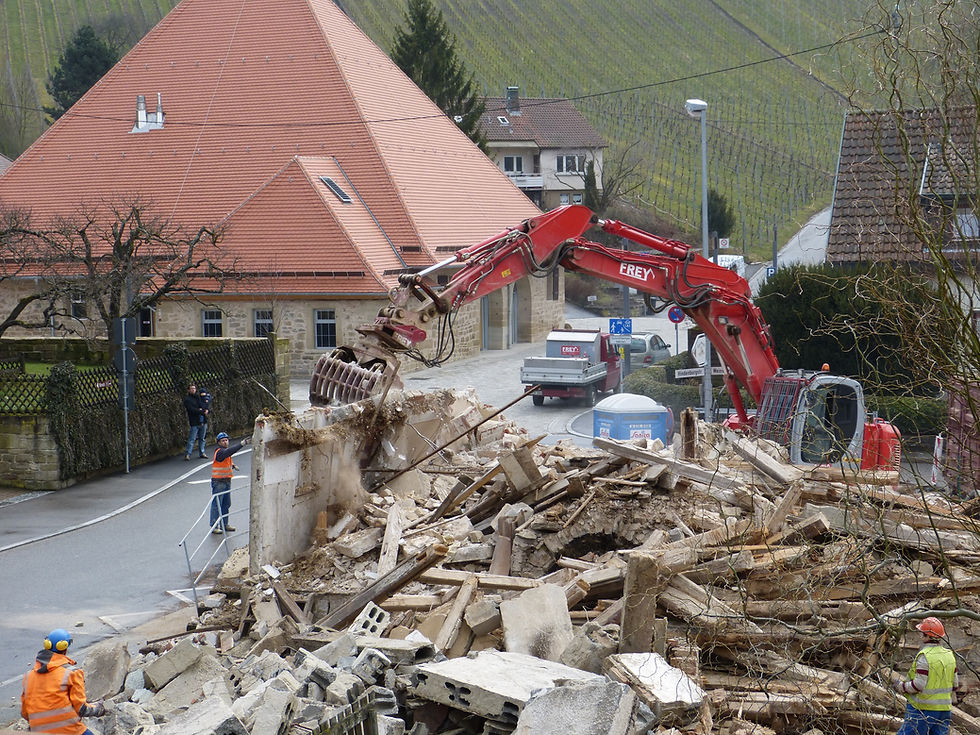
Using heavy machinery like excavators and bulldozers is one of the most effective ways to handle large-scale clearing projects. These machines can push, dig, and remove tons of debris quickly. Here are a few points to keep in mind:
They can rapidly move soil, rocks, and waste materials
The attachments on excavators allow for versatile operations
They help in preparing a site for further development
Overall, equipment choices can make site clearing either a breeze or a big headache. By relying on land clearing experts, you get a higher level of efficiency and safety.
Forestry Mulchers
Forestry mulchers are great for breaking down thick vegetation and turning it into mulch. This process not only clears the land but also prepares the soil for future planting or construction. Consider these key advantages:
They reduce the volume of debris on site
Mulching can improve soil conditioning after clearing
They work well in areas that are hard to reach with larger machines
This method often leaves you with a cleaner, ready-to-use site, cutting down on extra work later.
Safety Equipment and Gear
No matter how robust your equipment is, safety cannot be an afterthought. Investing in appropriate safety gear and protocols is a must for anyone handling heavy machinery. Here are some safety essentials:
Hard hats, gloves, and high-visibility vests
Emergency stop mechanisms on all machines
Routine checks and maintenance sessions
Safety measures are as important as choosing the right machinery – they protect both the crew and the integrity of the project.
Each piece of equipment plays a critical role in how efficiently your land is cleared. Whether you opt for powerful bulldozers or efficient mulchers, making informed decisions helps ensure that the site is cleared safely and thoroughly.
Environmental Considerations in Land Clearing
Land clearing isn't just about making space; it's also about doing it responsibly. We need to think about the impact on the environment and take steps to minimize any negative effects. It's a balancing act, but one that's totally worth it to protect North Georgia's natural beauty.
Impact on Local Wildlife
Okay, so picture this: you're a squirrel, and suddenly your home tree is gone. That's the reality for a lot of critters when land clearing happens. We have to be mindful of the animals that live in the area and try to disrupt their habitats as little as possible.
Conducting surveys to identify sensitive areas.
Timing the clearing to avoid nesting or breeding seasons.
Creating new habitats to offset the loss of old ones.
It's not always possible to avoid disturbing wildlife completely, but by taking proactive steps, we can reduce the harm and help them adapt to the changes.
Erosion Control Measures
Erosion is a big deal. When you clear land, you're basically exposing the soil, and when it rains, that soil can get washed away, polluting streams and causing all sorts of problems. Erosion control is key to preventing this.
Using silt fences to trap sediment.
Planting temporary ground cover to stabilize the soil.
Creating diversion ditches to redirect water flow.
Sustainable Practices
Sustainable land clearing is all about doing things in a way that minimizes environmental damage and promotes long-term ecological health. It's about thinking beyond the immediate project and considering the future.
Selective clearing, keeping as many trees as possible.
Using forestry mulchers to turn vegetation into mulch, which enriches the soil.
Recycling or reusing cleared materials instead of just throwing them away.
It's also important to secure the necessary permits and follow all regulations.
Cost Factors for Land Clearing Services North Georgia
Size of the Property
The size of the land needing clearing is a primary factor influencing cost. It's pretty straightforward: the larger the area, the more time, labor, and equipment are needed. This directly translates to higher expenses. Acreage is the standard unit used for quoting, and prices can vary significantly based on the terrain and vegetation density within that acreage.
Type of Vegetation
The kind of vegetation present on the land dramatically affects the cost. Clearing a field of small brush and weeds is way cheaper than removing mature trees, dense undergrowth, and rocky terrain. Some vegetation might require specialized equipment or techniques, further impacting the overall price. For example, dealing with invasive species might need extra steps to prevent regrowth, adding to the cost. The need for tree removal & lot clearing will definitely increase the price.
Additional Services Required
Beyond the basic clearing, several other services might be necessary, each adding to the total cost. These could include:
Debris Removal: Hauling away the cleared vegetation and materials.
Grading and Leveling: Preparing the land for construction or other uses.
Soil Testing: Assessing the soil composition and stability.
Erosion Control: Implementing measures to prevent soil erosion after clearing.
It's important to discuss all potential needs upfront with the land clearing company to get an accurate estimate. Unexpected services can lead to budget overruns, so clear communication is key. Getting a detailed, no-obligation quote is a smart move.
Finding Reliable Land Clearing Companies
Okay, so you're ready to get your land cleared. That's awesome! But how do you find a company you can actually trust? It's not always easy, but with a little research, you can find a great team for your project. Let's break down how to find the best land clearing company for your needs.
Researching Local Providers
First things first, hit the internet and start digging (pun intended!). Don't just grab the first name you see. Look around! Check out local directories, ask for recommendations on community pages, and see who's advertising in your area. You want to create a list of potential companies that operate in North Georgia. Look for companies that specifically mention land clearing services in their descriptions.
Here's a few things to consider:
Years in Business: How long have they been around? Experience matters.
Services Offered: Do they offer everything you need, from tree removal to grading?
Service Area: Do they actually service your specific location in North Georgia?
Checking Reviews and References
Okay, you've got a list. Now it's time to see what other people are saying. Reviews are your best friend here. Check out Google, Yelp, and even the Better Business Bureau. Look for patterns. Are there a lot of complaints about communication? Do people rave about their professionalism? Also, don't be afraid to ask the company directly for references. A reputable company should be happy to provide them. Call those references and ask about their experience.
Evaluating Experience and Credentials
Experience is super important, but so are credentials. Make sure the company is licensed and insured to operate in Georgia. This protects you in case of accidents or damage. Ask about their equipment. Do they have the right tools for the job? Also, find out about their team's training and certifications. Are they up-to-date on the latest safety procedures and environmental regulations? A company that invests in its team is a company that cares about quality.
Choosing the right land clearing company can feel overwhelming, but it doesn't have to be. Take your time, do your research, and ask the right questions. By following these steps, you'll be well on your way to finding a reliable partner for your project.
Post-Clearing Site Preparation Techniques
So, you've cleared your land – awesome! But hold on, the job's not quite done. What comes next is just as important as the initial clearing. It's all about getting the site ready for whatever you're planning to build or create. This involves a few key steps to ensure the land is stable, properly drained, and ready to support your project. Let's dive in.
Grading and Leveling the Land
Grading and leveling are essential for creating a stable foundation for any construction project. It's more than just making the ground look nice; it's about ensuring proper water runoff and preventing structural issues down the road. Uneven land can lead to water pooling, which can damage foundations and cause erosion. Plus, if you're planning to build, you'll need a level surface to work with. This often involves using heavy equipment like bulldozers and graders to move soil around and achieve the desired slope and elevation. You might need to bring in fill dirt to raise certain areas or remove soil from others. It's a bit like sculpting the land to fit your vision. For expert land clearing, consider consulting professionals.
Installing Drainage Systems
Proper drainage is absolutely critical, especially in North Georgia where we get our fair share of rain. Without it, you're looking at potential flooding, soil erosion, and damage to any structures you build. Here are some common drainage solutions:
French Drains: These are trenches filled with gravel and a perforated pipe that redirects water away from the site.
Surface Drains: These are designed to capture surface water and channel it into a drainage system.
Swales: These are shallow, vegetated channels that slow down water flow and allow it to infiltrate the soil.
Installing a drainage system isn't just about preventing problems; it's about protecting your investment and ensuring the long-term stability of your property. It's worth spending the time and money to get it right.
Preparing for Construction
Once the land is graded and drainage is in place, it's time to prep for the actual construction. This might involve a few different things, depending on what you're building. Here's a quick rundown:
Compaction: Compacting the soil is crucial to provide a solid base for foundations and other structures. This involves using heavy machinery to compress the soil and increase its density.
Utility Installation: Before you start building, you'll need to install utilities like water, sewer, and electrical lines. This often involves digging trenches and laying pipes or cables.
Erosion Control: Even with a drainage system, it's important to implement erosion control measures to prevent soil loss during construction. This might involve using silt fences, erosion control blankets, or temporary seeding.
After clearing a site, it's important to prepare it properly for the next steps. This means leveling the ground, removing any leftover debris, and making sure the area is ready for construction. Taking these steps helps ensure that your project starts off on the right foot. If you want to learn more about how we can help with your site preparation, visit our website today!
Wrapping It Up
So there you have it! Site preparation and land clearing in North Georgia can seem like a lot, but breaking it down makes it manageable. Whether you're clearing a small lot or prepping for a big project, knowing what to expect helps a ton. Remember to pick a good contractor who knows the area and can handle the job right. And don’t forget about permits and local regulations—they're super important. If you keep these tips in mind, you’ll be well on your way to transforming your land into something amazing. Good luck with your project!
Frequently Asked Questions
What is land clearing?
Land clearing is the process of removing trees, bushes, and other plants from a piece of land to make it ready for building or farming.
Why should I hire a professional for land clearing?
Hiring a professional is important because they have the right tools and experience to do the job safely and efficiently.
What types of land clearing services are available?
Services can include tree removal, brush clearing, and preparing the land for construction.
How long does the land clearing process take?
The time it takes depends on the size of the land and the amount of vegetation to clear. It can take a few days to several weeks.
Are there environmental concerns with land clearing?
Yes, land clearing can impact local wildlife and soil. Professionals often use methods to minimize these effects.
How much does land clearing cost?
Costs vary based on the size of the area and the type of vegetation. It's best to get a quote from a land clearing company.


Comments